Communities In Schools Provides In-School Support to County Students

Communities In Schools Tennessee (CISTN) is a nationwide nonprofit organization that strives to reduce absenteeism and improve graduation rates, by providing in-school support that connects students and families to the community-based resources they need. Those resources include academic assistance, basic needs, social learning skills, and attendance monitoring and planning. Communities In Schools currently serves five Hardeman County schools: Bolivar Elementary, Bolivar Central High, Middleton High, Grand Junction Elementary , and Whiteville Elementary. Within these schools, all students are eligible for Tier 1 services and 10 percent of the student body is eligible for case managed services. That 10 percent is determined by referrals from the staff, administration, and CISTN program manager.


Shannon Morin is the CISTN program manager at Whiteville Elementary. She graduated from the University of Memphis, Lambuth in 2017 with a Bachelor of Science in Education. Her teaching experience started with three years at Milan Elementary School and then three years at Bolivar Elementary School before she transferred to Communities In Schools in 2023.
“I very much have a passion for the work that is done in this organization. I’m so thankful to be able to nurture the whole child and provide students with whatever they need to help them be successful in the classroom. The relationships with the students inspire me the most, and I love to be able to share their success with them,” said Ms. Morin.
There are many moments which have already had an impact on Ms. Morin’s life. Those experiences are what motivates and fuels her passion to help students.
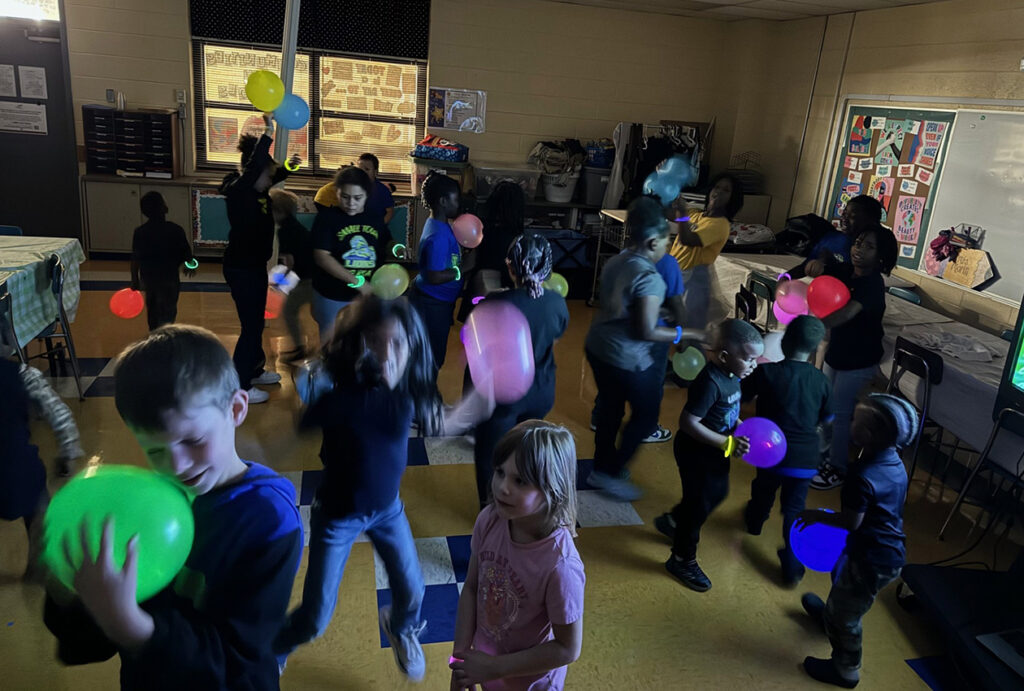
“One small moment that has always stuck with me – I had a pair of siblings who were going through a very difficult and traumatic experience. They came to my office together to give me some updates on the situation. They were both hesitant to say too much and then the older sibling looked at the younger and said, ‘It’s okay, we can tell her. I trust her.’ Just to hear that and see that they were comfortable enough to share with me definitely affirmed that I was exactly where I’m supposed to be,” said Ms. Morin.
Program managers build trust with students and families by being readily available and encouraging open communication.
“I always try to emphasize to my students and families that I am only there to help in whatever capacity may be needed,” said Ms. Morin.
Ms. Morin shared, some students in Hardeman County are often without basic necessities including food, uniforms, school supplies, and personal hygiene supplies. Without these items, students may decide not to attend school or could become distracted while at school.
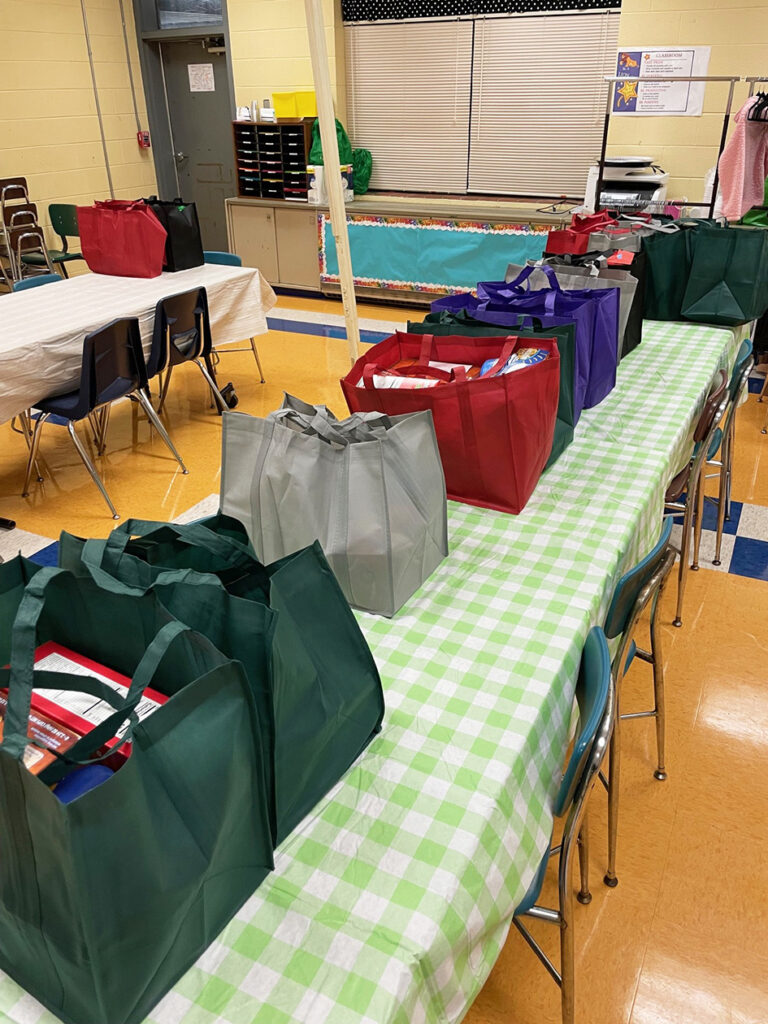
“Through CIS, I am able to obtain these items and provide them to any student in my school,” said Ms. Morin.
Her main metric is the chronic absenteeism rate and she follows a metric where students who miss 10 percent of the school year or more are considered chronically absent. She uses calculations made at the beginning of the school year, based on data from the previous year, and attendance incentives are set in place. Once a month, observations of attendance growth or decline are made.
Ms. Morin noted, throughout CISTN, 95 percent of seniors graduated, 93 percent of kindergarten through eleventh grade students were promoted to the next grade level, and approximately 70 percent of our case-managed students improved both their attendance and social-emotional learning.
“Whiteville Elementary started with a 25 percent chronic absenteeism rate in August 2024 and showed improvements throughout the school year, ultimately maintaining the 25 percent chronic absenteeism rate in May 2025. In the 2023/2024 school year, Whiteville Elementary started with a baseline chronic absentee rate of 29 percent and ended the year with 25 percent.” Ms. Morin explained.
In her opinion, one of the biggest challenges for CISTN in Hardeman County is the lack of resources in rural areas versus metropolitan areas.
“We are working closely with the other program managers in Nashville and with the CISTN State Support Team to become connected with those resources and to continue to find resources closer to us.” said Ms. Morin.
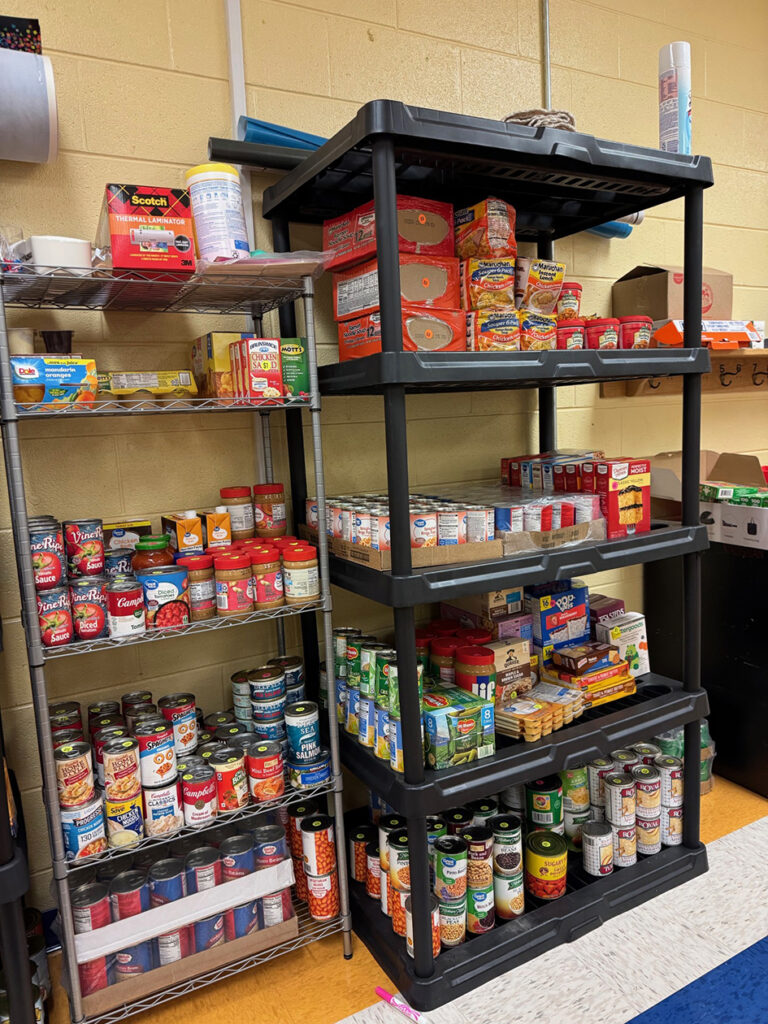
Last spring, several families reached out to Shannon about not having enough food. She organized a community food drive in Whiteville. With those donations, Shanon nearly tripled the amount of food in the school pantry and the students were able to “shop” food to take home for summer break.
She believes community-based support within the school building itself is important to break down the barriers that prevent students from attending school. Communities In Schools also partners with local donors to receive some of the essential items that students and families need.
Ms. Morin shared a common misconception about CIS.
“The biggest misconception I’ve heard is that CISTN is a fully state funded/public education funded organization. CISTN relies on multiple private donors and public donations,” said Ms. Morin.
Organizations and individuals in the community can get involved with Communities In Schools by reaching out to program managers, like Shannon, or visiting the Communities in School visiting the Communities In Schools website for more information.

Author Hannah Thompson
As the assistant director of the Bolivar‑Hardeman County Library, Hannah has the privilege of sharing her love of stories with the Hardeman County community every day. She is excited to do the same as a member of the Hatchie Press team. When she is not working, you’ll likely find Hannah reading in the company of her sweet feline children, Galinda and Galileo.
Read more local news by clicking here.
Stay informed on what’s happening in Hardeman County by subscribing to Hatchie Press e-mail updates.
Do you have community news you’d like to share? E-mail us at news@hatchiepress.com.