
Record Invasive Alabama Bass Caught at Parksville
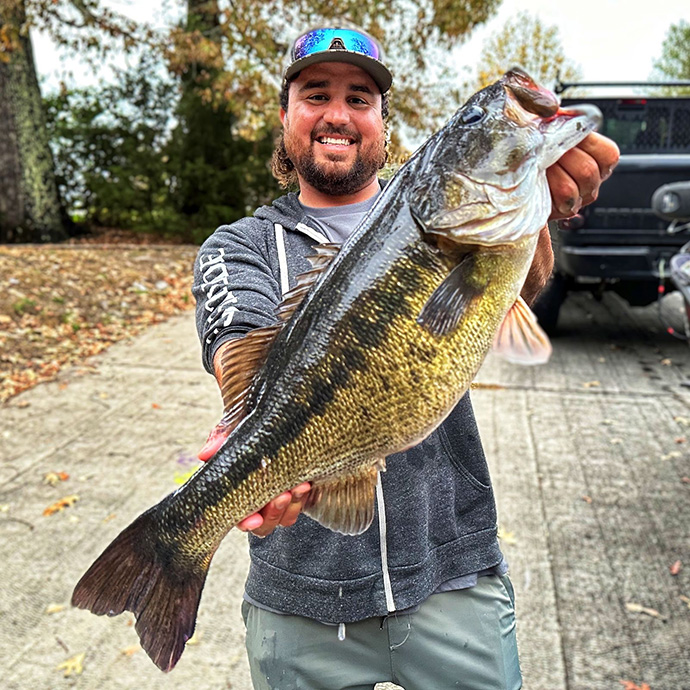
NASHVILLE — The Tennessee Wildlife Resources Agency (TWRA) has certified a new Class A (sportfishing methods) state record Alabama Bass. The 7 pounds, 3 ounces fish was caught by angler Caleb Bell on the Ocoee River and tops the previous state record of 7 pounds, 0 ounces from Parksville Reservoir set by Shane McKee in 2014.
Unfortunately, Alabama Bass are an invasive species that was illegally introduced in Tennessee. Invasive species are non-native species that cause harm to the environment, economy, or health of humans or native species. Alabama Bass currently impact numerous reservoirs associated with the Tennessee River.



As an invasive species, Alabama Bass jeopardize native bass populations, including Smallmouth Bass, through hybridization and competition for resources. Although Alabama Bass have somewhat higher growth rates upon initial introduction to new places, this is typically a short-lived phenomenon, and these fish tend to overpopulate and remain relatively small. They also compete for resources with native species.
Accurate identification of these fish can also be difficult due to their similarity of appearance with Spotted Bass and their tendency to hybridize. This hybridization ultimately affects the long-term genetic composition of native bass populations with potentially devastating effects to fisheries and sportfishing in Tennessee. Identification issues have caused problems for anglers and TWRA biologists, and wildlife officers charged with managing populations. To address this challenge, the Tennessee Fish and Wildlife Commission voted in February to align regulations for Smallmouth Bass, Alabama Bass, and Spotted Bass in reservoirs where Alabama Bass have been introduced to reduce confusion over identification of hybrids of these species.
Anglers can help protect Tennessee waters by preventing the further spread of invasive species. In Tennessee, it is illegal to move and release fish, including Alabama Bass, from one body of water to another. Information about illegal fish stocking can be reported through TWRA’s regional poaching hotline.
The Tennessee Wildlife Resources Agency is responsible for protecting, managing, and conserving fish and wildlife species for the benefit of Tennesseans and visitors. The Agency also maintains public safety through law enforcement and safety education on waterways.
Read more local news by clicking here.
Stay informed on what’s happening in Hardeman County by subscribing to Hatchie Press e-mail updates.
Do you have community news you’d like to share? E-mail us at news@hatchiepress.com.